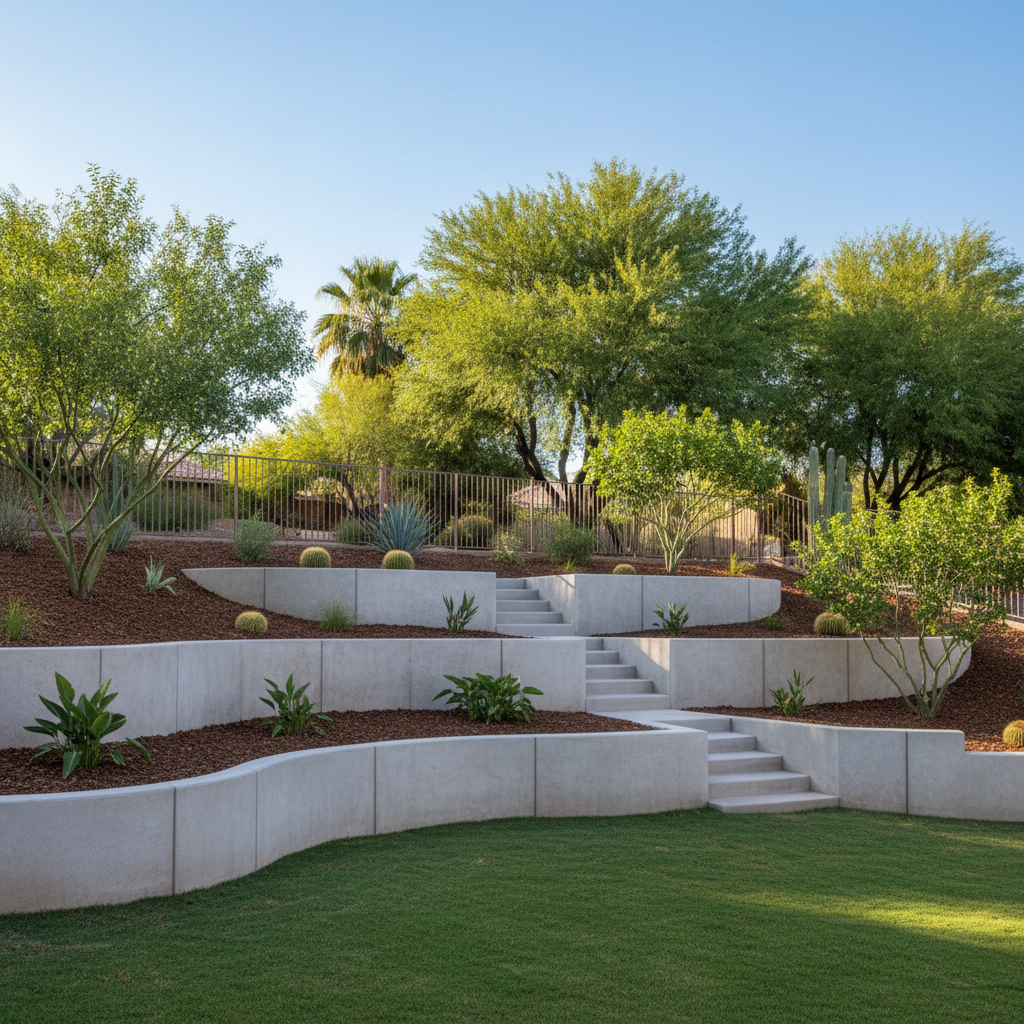
So, you're thinking about putting in a concrete retaining wall. Maybe your yard slopes, or you want to create some clear garden beds, or you just need to stop erosion. Smart move. A well-built concrete retaining wall isn't just useful; it can really make your property look better and increase its value. But like any big home project, you can't just dive right in. You need a plan. Here's what I tell folks in Glendale to think about before they even pick up the phone.
Timeline: What to Expect from Start to Finish
Let's talk timing. This isn't a weekend DIY job, and it definitely won't happen overnight. From your first idea to the finished wall, you're probably looking at anywhere from a few weeks to a couple of months. It all depends on the wall's size and how complicated it is. Here's a rough breakdown:
- Initial Research & Calls (1-2 weeks): You're doing this part right now! You'll be looking up contractors, reading reviews, and getting a sense of what you want.
- Consultations & Bids (2-4 weeks): You'll want to get at least three quotes. This means different companies will come out, check your property, talk through options, and then send you detailed proposals. Don't rush this step.
- Permits (2-6 weeks, or more): This often takes the longest. For any retaining wall over a certain height (usually 3-4 feet, but always double-check Glendale's specific codes), you'll need a city permit. That means drawings, engineering plans, and then waiting for approval. A good contractor will help with this, but it's still a waiting game, isn't it?
- Scheduling & Prep (1-2 weeks): Once you have your permit and you've picked your contractor, they'll need to fit you into their schedule. You might also need to do some prep work, like clearing the area.
- Construction (1-3 weeks): This is where the real work happens. Digging, laying the foundation, pouring the concrete, curing. The actual build time really depends on the wall's length, height, and any special features you've added.
See? It adds up. Don't plan on having a new wall ready for your backyard BBQ next month if you haven't even started getting bids yet.
Preparing Your Property for the Project
Once you've picked your contractor and the permit's in hand, you can do a few things to make everything run smoother for everyone involved.
- Clear the Area: Move any patio furniture, grills, potted plants, or anything else that's in the way of where the wall will go or where equipment needs to be. The less stuff the crew has to move, the faster they can get to work.
- Mark Sprinklers & Utilities: If you know where your sprinkler lines or shallow utility lines are, mark them with flags or spray paint. While contractors are careful, it's always better to be safe than sorry, right?
- Access: Think about how equipment and materials will get in and out. Will they need to use a side gate? Is there enough room for a small bobcat or wheelbarrows? Make sure the path is clear.
- Talk to Your Neighbors: If the wall is near a property line, it's always a good idea to give your neighbors a heads-up. Good communication helps prevent misunderstandings.
- Protect Plants You Want to Keep: If there are trees or shrubs close to the work area that you want to preserve, talk to your contractor about how to protect them from damage during excavation and construction.
What to Expect During Construction
When the crew shows up, here's a general idea of what's going to happen. It's not always pretty, but the end result is worth it.
- Excavation: They'll dig a trench for the footing. This means dirt, and probably a lot of it. If you're in an older Glendale neighborhood like Yucca District, you might hit some tough, compacted soil, which can slow things down a bit.
- Footing & Rebar: A proper concrete retaining wall needs a strong foundation. They'll pour a concrete footing, often with steel rebar reinforcement, to give the wall stability.
- Formwork: They'll build forms, usually out of wood, to hold the wet concrete in place and give the wall its shape. More rebar will go inside these forms.
- Pouring & Curing: The concrete gets poured. Then comes the waiting game — curing. Concrete doesn't just dry; it chemically hardens over time. Your contractor will tell you how long until it's fully strong.
- Backfilling & Drainage: Once the wall is cured and forms are removed, they'll backfill behind it. Good drainage is crucial here to keep hydrostatic pressure from building up and pushing on the wall. This might involve gravel and a drain pipe.
It's going to be noisy, and there will be dust and dirt. That's just part of construction. Kingdom Concrete Glendale always tries to keep things as tidy as possible, but it is a construction zone for a bit.
Key Questions to Ask Before You Sign That Contract
This is where you protect yourself and make sure you're getting a quality job. Don't be shy; ask everything.
- Are you licensed and insured? Get their Registrar of Contractors (ROC) license number and verify it. Ask for proof of liability insurance and worker's comp. This is non-negotiable.
- What's included in the bid? Does it cover excavation, materials, rebar, forms, concrete, drainage, backfill, and cleanup? Are permits included, or is that my responsibility?
- What kind of concrete will you use? Ask about the PSI (pounds per square inch) rating. For retaining walls, you need something strong.
- How will you handle drainage? This is critical for a long-lasting wall. What kind of drainage system will be installed behind the wall?
- What's the warranty on your work? How long is it, and what does it cover?
- Can I see examples of your previous retaining wall projects? Photos are good, but if they can give you an address to drive by, even better.
- What's the payment schedule? A reputable contractor won't ask for a huge upfront deposit. Typically, it's a deposit, progress payments, and a final payment upon completion.
- Who will be supervising the project? Will it be the owner, a foreman, or a rotating crew?
- What's your estimated start and completion date? Get this in writing.
Asking these questions upfront will save you a lot of headaches down the road. A good contractor, like us at Kingdom Concrete Glendale, will be happy to answer all of them clearly and thoroughly. You're making a big investment in your home, so make sure you're confident in who you're hiring.